About the author

Gerhard Schnehen

For 25 years Gerhard Schnehen has been combing the writings of Russian, English, German and other observers to learn why socialism collapsed in the USSR and in other countries. Meticulously presenting specific archival documents, he has written books on the history of the German Democratic Republic, on Khrushchev’s putsch in 1953, the fate of four German Communists who became victims of the great purges in the USSR in the late thirties, and also on Gorbachev’s perestroika.

Sound Bite

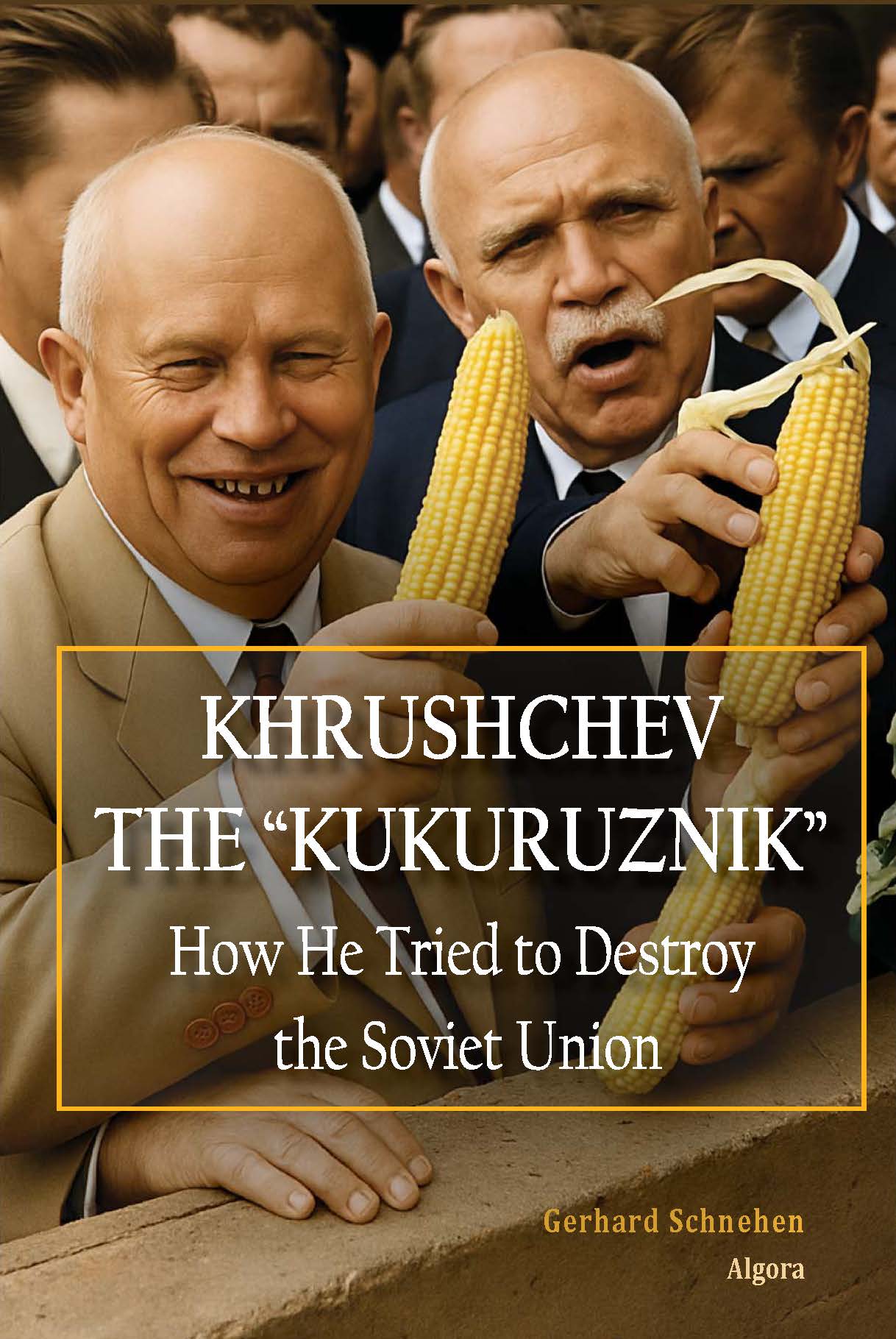
Placing Soviet history under the microscope, Schnehen argues that Nikita Khrushchev was a liar, Soviet oppositionist, and capitalist restorer who intentionally sabotaged socialism via chaotic reforms, caused famines, and propagated anti-Stalin lies. Challenging mainstream narratives with quotes from archival records, he documents Stalin’s actions and goals and contrasts Khrushchev’s destructive initiatives.
About the Book

Most people in the West remember Nikita Khrushchev as the Soviet leader who stood up to Stalin's legacy, delivered the famous "Secret Speech" denouncing the purges, and gave the USSR a more human face during the Cold War. Historian G. Schnehen argues that this picture is almost entirely wrong. Drawing on newly released Russian archives, trial transcripts, and Khrushchev's own recorded statements, Schnehen builds a case that Khrushchev was not a reformer who dismantled Stalinism but an opposition operative who worked from within to undermine the Soviet socialist project itself.

The book traces Khrushchev's career from his early years helping construct the Stalin cult while allegedly maintaining hidden ties to the Trotskyite and Rightist "Bloc of Rightists and Trotskyites," through his direct involvement in the mass repressions of the Great Terror in both Ukraine and Moscow. Schnehen argues these were not the actions of a loyal party man later turned reformer, but of someone with a long-term oppositional agenda.

The post-Stalin period gets equally sharp scrutiny. Khrushchev's policy moves — from the Secret Speech itself to his handling of de-Stalinization — are reread here not as genuine liberalization but as calculated steps to weaken Soviet institutions from the top. Whether readers ultimately agree with Schnehen's thesis or not, this is a genuinely provocative revisionist history that forces a serious rethink of one of the twentieth century's most consequential political figures.

Additional information

Release Year

Reviews

There are no reviews yet.

Be the first to review “Khrushchev Revisited”

Your email address will not be published. Required fields are marked *