


Sound Bite
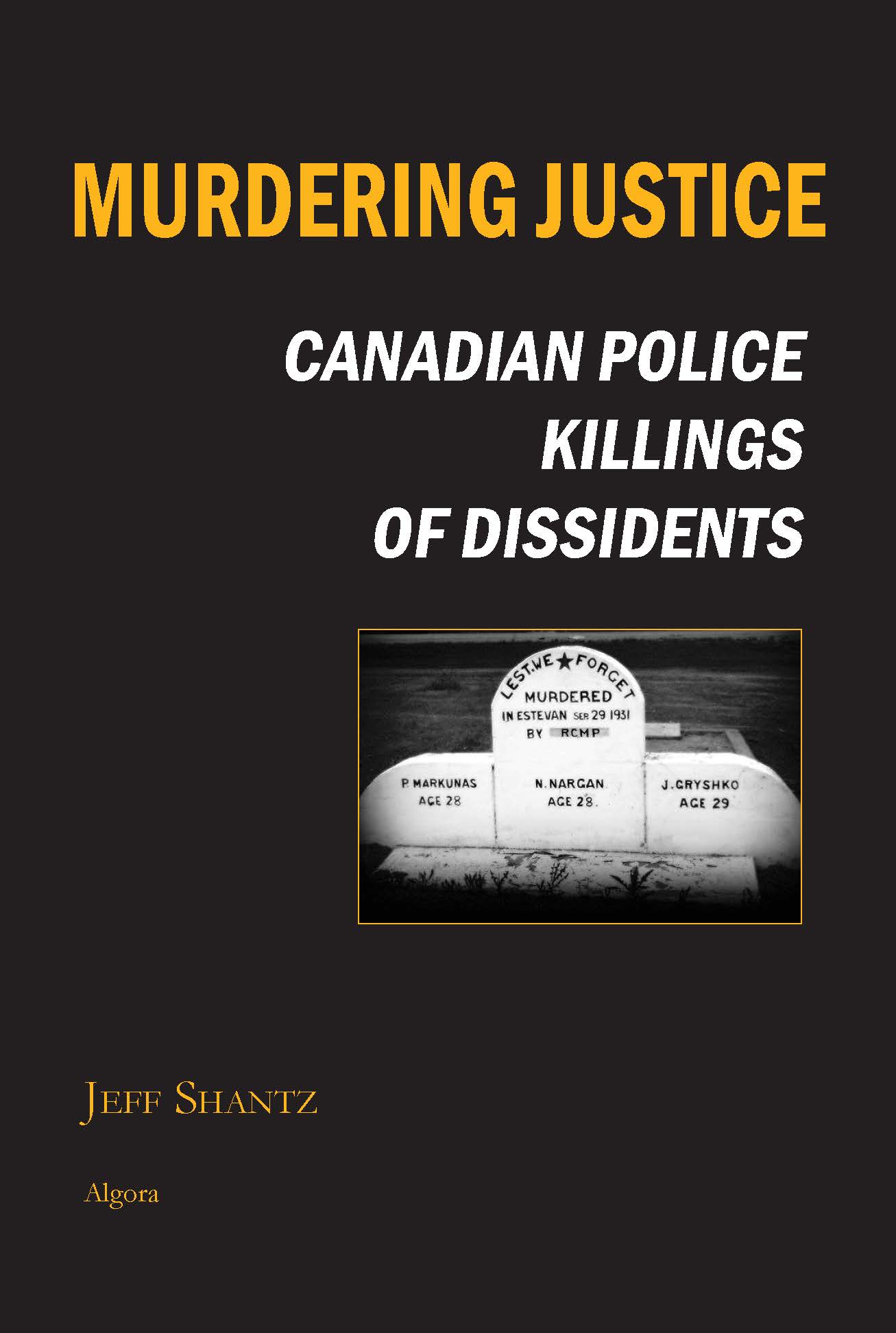
This is a work of radical political history and policing critique. Each chapter covers a specific historical killing of a dissident, striker, or land defender by Canadian police.
About the Book
This book shatters the comforting story that Canada is a gentle nation of “peace, order, and good government.” Instead, it traces a hard, unbroken line of state violence against those who dared to resist: Indigenous land defenders, striking workers, anti-war organizers, unemployed militants, radical students, environmental activists, and digital-age hacktivists.
Drawing on more than a decade of research into police killings of civilians in Canada, the author follows cases from the North-West Mounted Police to the modern RCMP and municipal forces. Chapters revisit the Winnipeg General Strike, the 1925 killing of miner William Davis, the On-to-Ottawa Trek and the RCMP riot in Regina, the shooting of Dudley George at Ipperwash, the killing of James McIntyre at Site C, and many other forgotten or buried incidents. Along the way, the book shows how police agencies were repeatedly mobilized—often at the direct urging of prime ministers and premiers—to break strikes, crush occupations, disrupt social movements, and protect capital and colonial power.
Far from isolated “bad apples,” police appear here as a recurring political force at the frontline of a settler capitalist state. The book also highlights the communities, families, and organizations that have refused to let these deaths disappear into official silence, from union halls and Indigenous blockades to abolitionist networks and cop-watch groups.
Readers interested in Canadian history, social movements, critical criminology, Indigenous struggles, labor, and police abolition will find essential context and a powerful challenge to the myth of Canada as a peaceful, rights-respecting democracy.
Whether you organize, teach, research, or are simply questioning what you’ve been told about policing in Canada, this book offers names, stories, and tools to understand how resistance has been met—with lethal force—and how people keep fighting anyway.


Reviews
There are no reviews yet.