


Sound Bite
We hear quite a lot from "authorities" these days, and often they contradict one another. How do we decide which ones to follow? How do we decide who is a real authority on any given question?A philosophical treatment of the idea of authority, this book challenges us to think through our ideas of authority, how it is established, how it works, and the different ways in which it can be exercised. The author adds another question: Don’t democratic citizens have a duty to think through the things pertaining to authority? We take much for granted: Let authority not be one of them.A philosophical treatment of the idea of authority, this book may help us understand how today's authorities influence the public and support us in deciding which figures offer leadership worth following.
About the Book
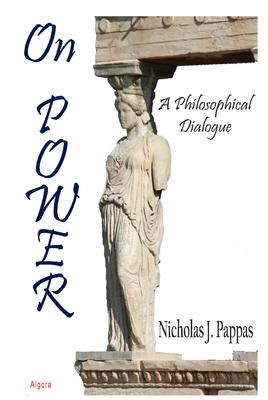
We hear quite a lot from "authorities" these days, and often they contradict one another. How do we decide which ones to follow? How do we decide who is a real authority on any given question?A philosophical treatment of the idea of authority, this book is a dialogue between three characters. “Director,” a philosopher, challenges the others to think through their ideas of authority, how it is established, how it works, and the different ways in which it can be exercised.Authority may be based on power of intellect - or power as the threat of force (implied or direct). Sometimes, "authorities" are presented, or present themselves, without any obvious qualifications in a given field. How do such people capture our attention? They may be mesmerizingly wealthy, famous, powerful; they may simply be charismatic and appealing; or they may have a track record of being right, a reputation built on achievement. Are these all valid criteria?The author adds another question: Don’t democratic citizens have a duty to think through the things pertaining to authority? We take much for granted: Let authority not be one of them.
Information
EXCERPTPolitician: Tell us something, Director. What is authority?Director: I like to think of it as involving a looking up to someone or something. There are two types of authority, in my view. Voluntary and involuntary.General: You mean some people are involuntarily authorities?Director: Yes, I think that’s true. But I was thinking of something else. There are those we look up to because we want to, and there are those we look up to because we’re forced.Politician: General knows all about the latter.General: Bad generals know all about the latter. Good generals generate good will.Politician: But still, they need force from time to time.General: Oh, of course. Force is the background in what I do—and often enough in the foreground, too. What about you, Director? Do you need force?Director: I make use of the force of reason. I articulate what I know in a way that people can appreciate and understand. Does this make me an authority?Politician: Sure, but there’s all the difference in the world between the force of reason and the force of law, or the force of… force.Director: But Politician, surely you make use of the force of reason every day.Politician: I do! What do you think debate is? It’s nothing but reason.General: Not if you make sneaky arguments.Politician: Director, tell the general the truth about sneaky arguments.Director: The truth is that there can be as much reason in sneaking around as in making a frontal attack.Politician: Yes! And oftentimes more.General: Says the crafty politician.Politician: Would you rather be represented by the dim of wit? Director?Director: No, you have a point. But where do you direct your craft?Politician: Toward other politicians.Director: Is that the source of your authority?Politician: My source is when I get things done.Director: And that’s how you get your authority, however limited, at home?Politician: Of course. My constituents respect a job well done.Director: Hmm.General: What is it?Director: Does authority always demand respect?General: I know I do. And you?Director: I don’t.Politician: You need to up your game.Director: Can’t I be an authority with whatever respect I happen to earn, not demand?




Reviews
There are no reviews yet.