




Sound Bite
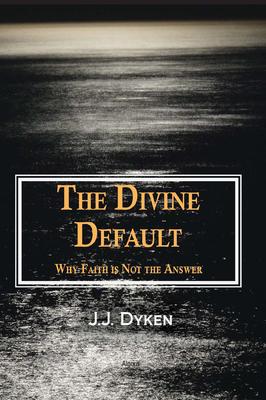
The Divine Default is an exploration into our tendency to attribute unexplained phenomena to God and why we as a species continue to justify resorting to this easy way out rather than confronting reality.
Armed with both historical and contemporary evidence, JJ Dyken sets out to debunk many of the most common religious assertions from the power of prayer to the seemingly unbreakable bond between religion and morality. In so doing, he presents a persuasive case as to why the clash between faith and reason is not just irrational, but potentially deadly for mankind.
About the Book
In The Divine Default, J.J. Dyken presents a provocative examination of religion's influence on modern society, arguing that faith-based reasoning often obscures rather than illuminates truth. Drawing on personal experience as a former Catholic believer, Dyken applies logic and real-world examples to challenge religious claims that typically remain beyond scrutiny.
The book systematically deconstructs core religious concepts through accessible language and practical scenarios. Dyken explains the "Divine Default"—the human tendency to attribute unexplained phenomena to God—and traces how this mental shortcut has shaped civilization. He demonstrates how mental shortcuts and pattern-seeking behavior make religious belief feel natural, even when evidence remains absent.
Rather than attacking believers personally, Dyken focuses on the logical inconsistencies within religious frameworks. He examines the "Omni Paradox," questioning how an all-powerful, all-knowing, and all-good God permits suffering and evil. He analyzes the "Christian Reward System," exploring why Christianity promises heaven based on belief rather than moral action, using historical examples like warlord Joshua Blahyi to illustrate the system's moral bankruptcy.
The book addresses biblical scholarship that many Christians never encounter: the anonymous authorship of the Gospels, the thousands of manuscript variations, and the centuries-long process of biblical compilation. Dyken explains how translations, interpolations, and editorial decisions have shaped the text believers treat as infallible.
Specific chapters tackle familiar biblical stories with fresh scrutiny. Noah's Ark receives mathematical analysis revealing its engineering impossibility. The Genesis creation account is examined against modern cosmology. Evolution versus creationism is discussed, with Dyken critiquing pseudoscientific arguments made by figures like Ken Ham.
Dyken also addresses indoctrination tactics, from childhood religious education to missionary work disguised as charity. He explores why geographic location overwhelmingly determines which religion people embrace, suggesting this undermines claims of universal truth.
Throughout, Dyken maintains that while personal belief deserves respect, religious influence on public policy, education, and law requires rational scrutiny. He argues that science—not faith—provides our most reliable method for understanding reality.
This book appeals to readers questioning their inherited beliefs, those defending secular governance, and anyone curious about religion's psychological and social mechanisms. Dyken's approach emphasizes common sense over philosophy, making complex theological issues accessible without requiring specialized knowledge. Whether you're religious, agnostic, or atheist, The Divine Default invites critical examination of beliefs that shape billions of lives.


Reviews
There are no reviews yet.