




Sound Bite
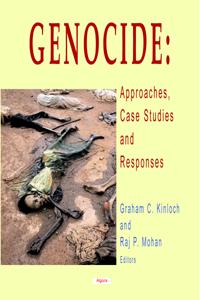
Twenty scholars comment on the factors that drive the horrific phenomenon of genocide and the conceptual and theoretical issues surrounding it, with detailed case studies from perspectives including those of Germany, Israel, Italy, Zimbabwe and the United States. They also evaluate attempts to prevent genocide and the implications for human rights policies, with a particular concern to develop new and practical insights. This volume introduces in a both cogent and upsetting manner a new sociological field, the sociology of genocide. Genocide represents the ultimate and most devastating consequence of social conflict.
About the Book
Despite increasing global sensitivity to human rights issues and international intervention in societies experiencing severe forms of intergroup conflict, societal violence in genocidal proportions continues to plague many parts of the world, particularly Africa, Eastern Europe, the Middle East and the Pacific. Any optimism regarding improving the 'human condition' in the new century, despite significant political, economic, and social advancements, appears prematurely naive and optimistic. What do these destructive trends reflect?With reference to the Holocaust, the Armenian genocide, Rwanda and other horrific events, a selection of international scholars explore several conceptual and theoretical issues relating to 'genocide' from perspectives including those of Germany, Israel, Italy, Zimbabwe and the United States. The co-editors also have diverse backgrounds, including experience in southern Africa and India.Major topics include issues of definition, varying types of genocide, theoretical and methodological approaches, policy implications, detailed case studies of genocidal situations, and evaluation of particular attempts to prevent this kind of destruction generally.In addition, survivors' responses are explored, the ways in which different cultures, from Europe's Jews to the Tibetan diaspora, relate to their losses, use them in reformulating their cultural identity, and commemorate their dead.Each author focuses on a particular aspect of genocide, explores it in detail with regard to its relevance and development over time, and evaluates its implications for human rights policies both internationally and within particular contexts, with the aim of developing new and practical insights and possible policy implications for reducing this human destruction.Particular attention is accorded degrees and types of genocide, as well as any society's potential for this kind of deadly behavior. Together, the chapters identify a number of factors behind genocide, such as reactions to ethnocentrism, discrimination, and the changing global context. Theory is illustrated by a wide range of case studies; the book concludes with essays on individual and group responses to such violent and disturbing human destruction.This work includes new chapters and several revised papers from a special issue of the International Journal of Contemporary Sociology. These analyses offer the reader detailed insight into individual and group consequences of this destructive behavior, and considers policy implications regarding its possible reduction.Particular attention is accorded degrees and types of genocide, as well as any society's potential for this kind of deadly behavior. The work is relatively unique in the range and background of the contributors, including authors from Germany, Italy, Israel, and the United States, as well as the variety of topics discussed. The co-editors also have diverse backgrounds, including experience in southern Africa and India.
Introduction
Genocide, despite the major political, economic, and social advances of the twentieth century, continues to plague significant areas of the world today. Disturbing cynicism is also indicated in the political reluctance to even employ the term. In light of contemporary, pressing human rights issues and apparently endless wars of human destruction, this volume was originally designed and published as a special issue of the International Journal of Contemporary Sociology (Vol. 39, No. 2, October 2002), with the title Genocide and Society. Many of these essays and some of their titles have been revised, while a foreword, three new papers and a bibliography have been added. We believe that the range, variety, and depth of the analyses provided by the bookÃ??'s chapters offer important insight into major factors behind, reactions to, and policy issues relating to this kind of agonizing human conflict.
Table content
The Possible Causes And Reduction Of Genocide: An ExplorationModern Societies And Collective Violence: The Framework Of Interdisciplinary Genocide StudiesArcheology Of Evil: The Urge To GenocideOn Genocide, Old And NewConceptual Approaches To Genocide The Success And Failure Of "GenocideThe Decisive Generation: Self-Authorization And Delegations In Deciding A GenocideCase Studies Of GenocideStrategies Of Exclusion: The Genocide Of The Herero In German Colonial DiscourseThe Ecology Of Genocide In RwandaThe Forgotten Dead: Representations Of The Past In The Tibetan Refugee Community In IndiaComparative Analyses Of Genocide Genocide As A Possible Response To Westernization: Government Treatment Of Minorities In Afghanistan And IranPreventing Genocide In Chile And Northern Ireland: The Role of Elites



Reviews
There are no reviews yet.