




Sound Bite
The War on Terror left Afghanistan without a viable centralized intelligence agency. Thousands of bloodstained and heartbreaking stories in newspapers, journals and books document the failures of the KHAD and NDS. The government and military are both crippled by "bad intel" due to lack of mutual trust and limited information sharing.
About the Book
Despite America's commitment to a "War on Terror," Afghan intelligence agencies remain unprofessional and profoundly ill-equipped to fight the Taliban and ISIS, incapable of effectively warning of threats, blocking deadly attacks, or adhering to elementary standards of treatment for suspects and prisoners.
International journalist Musa Khan Jalalzai outlines the obstacles that stop them from developing professional, reliable systems so they can provide the government and military with actionable intel: tribal rivalries and lack of education, international interference, and no foundation of national identity to build on.
Thousands of innocent people are killed in secret prisons, in broad daylight, and during brutal "investigations." Torture, custodial death, and denial of due process continue to drive citizens into revolt. He shows how such illegal and repugnant tactics have alienated the citizens from the state and forced young people to take up arms against the government and its international partners.
The role of Pakistan is a particular focus, as well as relations with India and other neighbors. Broken agreements and a complete breakdown of trust, the author shows, threaten a complete failure of the Afghan state if this continues.
Information
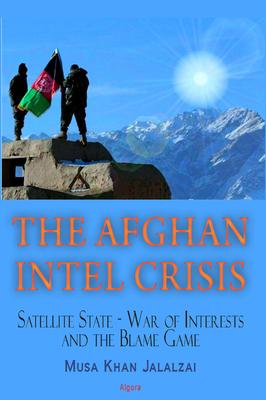
In The Afghan Intel Crisis: Satellite State: War of Interests and the Blame-Game, author Musa Khan sheds light on the tangled web of intelligence failures, political manipulations, and global interests that have ravaged Afghanistan. The “War on Terror” left Afghanistan without a strong centralized intelligence agency, so the nation has become a battleground for competing foreign powers, internal factions, and warlords.
This gripping narrative uncovers the critical role of intelligence in a war-torn country, exploring how both the KHAD and NDS, two major Afghan intelligence agencies, have repeatedly failed to uphold national security, creating chaos in an already fragile state.
Historical Context and Intelligence Failure
The book dives deep into the history of Afghanistan’s intelligence apparatus. It documents the decline of KHAD, the agency once responsible for the country’s security during the Soviet era, and the eventual rise and subsequent failure of the NDS. Musa Khan provides readers with a clear-eyed analysis of how political games, regional interests, and foreign interference have crippled the effectiveness of Afghanistan’s intelligence agencies. He draws from historical events, including the Soviet occupation and the post-9/11 interventions, to reveal how a combination of systemic corruption and foreign influence has eroded Afghanistan’s ability to protect itself from both internal and external threats.
The War on Terror and Its Aftermath
One of the book’s key themes is the lasting impact of the “War on Terror,” particularly how the U.S.-led intervention left Afghanistan’s intelligence agencies in disarray. Musa Khan explains that despite the billions of dollars invested in counterterrorism, Afghanistan remains vulnerable due to the lack of a viable, independent intelligence agency. The author examines the failures of both KHAD and the NDS, showing how a mix of foreign interference, internal strife, and misguided policies led to repeated intelligence missteps. This section delves into the critical role of intelligence in the war, uncovering the gaps that allowed insurgent groups to thrive while Afghan citizens paid the price.
Foreign Interests and the Blame-Game
Afghanistan’s geographic position has always attracted the interests of powerful nations. In The Afghan Intel Crisis, the author delves into the ways in which regional powers such as Pakistan, Iran, and India, as well as global forces like the U.S. and Russia, have used Afghanistan as a chessboard for their own strategic interests. Musa Khan skillfully lays bare the ways these powers have meddled in Afghanistan’s affairs, often using its intelligence agencies to serve their own goals.
The Blame-Game—Political Manipulation and Corruption
Musa Khan emphasizes the corruption that has infiltrated the Afghan intelligence system, further weakening its effectiveness. The blame-game, played by Afghan politicians, foreign diplomats, and warlords, has undermined trust in the country’s institutions. The author paints a vivid picture of how leaders point fingers at each other instead of addressing the real issues.
What is Needed—A Call for Reform
In his closing remarks, Musa Khan calls for urgent reform within Afghanistan’s intelligence agencies. He argues that without a credible, independent, and transparent intelligence apparatus, Afghanistan will remain a satellite state caught in a war of interests, unable to reclaim its sovereignty. This book serves as a warning, urging Afghan leaders and the international community to address the root causes of the intelligence crisis and rebuild a functioning state capable of protecting its people. The book is an essential read for anyone interested in understanding the complex interplay of politics, foreign interests, and intelligence failures that have shaped modern Afghanistan.






Reviews
There are no reviews yet.