



Sound Bite
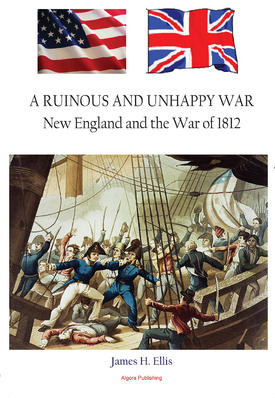
An entertaining, well-researched study details naval battles and coastal incursions through diaries and regional news articles on the War of 1812. New England was hard hit by the War of 1812 with Great Britain. The war severely injured the maritime and commercial economy and inflamed the difference in interests between the Northeast and the rest of the country, where agriculture was the mainstay. The author has combed sources near and far, bringing to life a drama that was international in scope but acutely local in impact.
About the Book
Anticipating the harm another war with England would bring, New England's regional leaders opposed it from the outset. Party politics played a major role. Federalists, dominant in the northeast, at every turn badgered and challenged the war policies of the administration and its majority Democratic-Republican Party.
New England's churchmen, still heavily influenced by Puritanism, railed against the ungodly actions of the national government. But economic issues proved to be a greater source of dissension.From earliest times, New England had been tied to the sea. Merchants, fishermen, and others dependent on an open ocean were devastated by the embargoes and blockades of the war. Unemployment deepened, businesses failed, and privation spread.
This book pulls together material from period sources (diaries, journals, logs, letters, government documents, newspapers) scattered throughout the region's archives, libraries, museums, and town halls. The author enlivens the narrative by blending entertaining tales of common folk with the march of epic events and clashes.
Introduction
A life-long Cape Codder, author Jim Ellis presents a detailed examination of New England's complex and often contradictory role in the War of 1812, a conflict sometimes referred to as the Second War of Independence. He emphasizes the personal experiences of ordinary citizens, whose diaries, letters, logs, and journals provide a rich narrative of the era. These firsthand accounts reveal the local tensions and sentiments that influenced the region’s involvement in the war, particularly in maritime communities along the New England coast.
The war thrust New Englanders—especially those involved in seafaring—into the center of political and military disputes. The opening shots of the conflict occurred off the New England shore east of Cape Cod, setting the stage for a war that deeply affected the area. The narrative highlights how New England’s unique position, as their strong maritime economy suffered under British blockades and their political inclinations contributed to a sometimes uneasy relationship with the broader national war effort.
Mr. Ellis includes specific arguments of some of those who opposed the War of 1812, including the Presbyterian minister Taggart, who called the war unnecessary and impolitic, calling out the financial burdens and questioning the cost and morality of war.
The book guides readers through the conflict chronologically and thematically, beginning with the precursors to war and advancing through various phases of the conflict, including political controversies, naval engagements, blockades, and peace negotiations. Chapters such as “The Most Prejudicial Plantation,” “A Dastardly, Inglorious Policy,” and “The Peace Party at War” examine the political and social dynamics that shaped the war and its aftermath.
Research for the work was extensive, relying heavily on original records from municipal clerks across New England, as well as resources from a wide array of historical societies and libraries. Overall, the document offers a richly detailed, citizen-centered account of New England's experience in the War of 1812. It balances the grand narrative of national conflict with the intimate stories of individuals and communities caught up in the turmoil, providing readers with a nuanced understanding of this pivotal period in American history.







Reviews
There are no reviews yet.