




Sound Bite
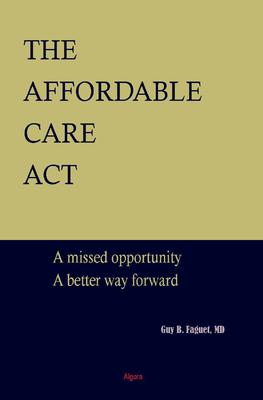
One point that's been lost in the rhetoric surrounding healthcare reform is that responsibility for the current inequitable and costly health system is widely shared among all players. This book by a Professor of Medicine with 30 years of teaching and clinical experience analyzes the situation and proposes a solution that, just like the problem, will rely on all parties in a bid to endow America with an equitable and affordable universal health system.
About the Book
The U.S. offers a high standard of medical care few countries can match. Indeed, most medical innovations originate in the U.S. and are adopted more widely and sooner than elsewhere, the FDA ensures the efficacy and safety of drugs, biological products, and medical devices, and health professionals are well trained, knowledgeable, and responsible. Yet, despite "Best in the World" claims in some American quarters, the U.S. health system lags behind those of many industrialized countries in access, quality of care, and affordability. It is best characterized as a non-system that denies access to millions of Americans and drives millions more into bankruptcy.Unlike politically correct books that shun controversial issues, this book offers an objective, factual, and forthright critique of all segments of the current and projected health system under America's Affordable Care Act. It shows that responsibility for the inequitable and costly health system rests on caregivers and consumers, insurance and drug companies, malpractice attorneys, and even policy makers whose self-interest must be subordinated to the general good in order to curb the profit-driven health industry they helped create and endow America with an affordable and equitable universal health system responsive to its citizens' healthcare needs while remaining even-handed to providers and suppliers, as proposed in the last chapter.





Algora Publishing –
CHOICE Magazine, April 2014
The Affordable Care Act of 2010 (ACA) has resulted in a plethora of books praising it, teaching about it, or complaining about it. Faguet’s book is a bit of all three. ACA, notes Faguet (retired, Georgia Health Sciences Univ.), will achieve notable policy goals as it ensures that more Americans will have access to health care.
He describes ACA’s several parts, indicates when they go into force, and wonders about their benign or not so benign effects on Americans. His chief argument is that ACA is a flawed solution to the real problems inherent in American health care. Beyond repairing the health insurance market, a universa1, qualify-driven system must be created. Faguet proposes three policy initiatives: a redesigned system structure and revised delivery of care methods and payment incentives for this care. To achieve these goals, a federal health board–similar to the Federal Reserve Board–needs to be established. Faguet hopes this board will be more immune to political intrusion than Congress is when it comes to reform.
Policy professionals will be familiar with the argument and the solution. The book is written, however, for the public, and for them, it will prove a most useful book. Summing Up: Highly recommended. All undergraduate students and general readers.